

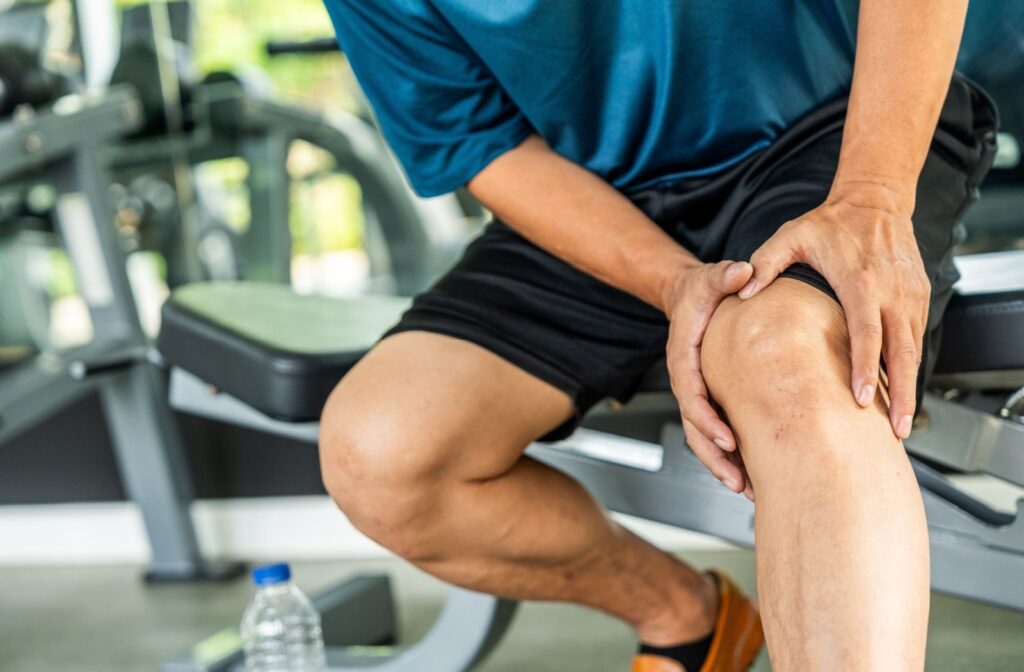
Key Takeaways
- Simple knee strengthening exercises can help you maintain mobility, reduce discomfort, and support your active retirement lifestyle.
- You can practice gentle or seated movements at home without professional equipment, and modify exercises as needed.
- Remember to practice exercises that can target key muscle groups, including your ankles, calves, hips, thighs, and knees.
Your knees carry you through countless daily activities, from getting up from your favorite chair to walking through the garden. As you age, maintaining knee strength becomes increasingly important for your independence and quality of life.
Regular knee strengthening exercises can significantly improve your mobility, reduce stiffness, and help you stay active in your retirement years.
With a gentle approach and consistent practice, you can support your knee health and continue enjoying the activities that matter most to you.
Whether you’re living an independent lifestyle or benefiting from memory care, encouraging daily movement is essential to embracing a fuller, happier life.
Understanding Knee Health & Strength for Older Adults
Common Knee Issues in Retirement Years
Your knees naturally experience changes as you age, including cartilage thinning and reduced joint fluid. These changes can lead to stiffness, mild discomfort, and decreased range of motion.
Arthritis affects many adults during retirement, causing inflammation in the knee joints. Weather changes may also make your knees feel stiffer or more uncomfortable than usual.
How Knee Weakness Affects Daily Activities
Weak knees can make simple tasks like climbing stairs or getting out of bed more challenging. You might notice difficulty standing from a seated position or walking for extended periods.
These limitations can affect your confidence in moving around your home or participating in social activities. Addressing knee weakness early helps you maintain your independence and active lifestyle.
Benefits of Regular Knee Exercise
Strengthening your knees improves the muscles around the joint, supporting your stability. Regular movement also helps maintain flexibility, improve balance, promote healing, and reduce morning stiffness.
Simple Knee Strengthening Exercises You Can Do at Home
- Seated Leg Extensions
Sit comfortably in a sturdy chair with your back supported and feet flat on the floor. Slowly straighten one leg, hold for 5 seconds, then lower it back down. Repeat this movement 10–15 times per leg, focusing on controlled movements.
The exercise strengthens your quadriceps muscles without putting pressure on your knee joints.
- Standing Quad Sets
Stand with your back against a wall and tighten the muscles on the front of your thigh. Hold this contraction for 5 seconds, then relax.
You can do this exercise throughout the day while watching television or talking on the phone. It’s gentle enough to perform multiple times without causing strain.
- Wall Squats
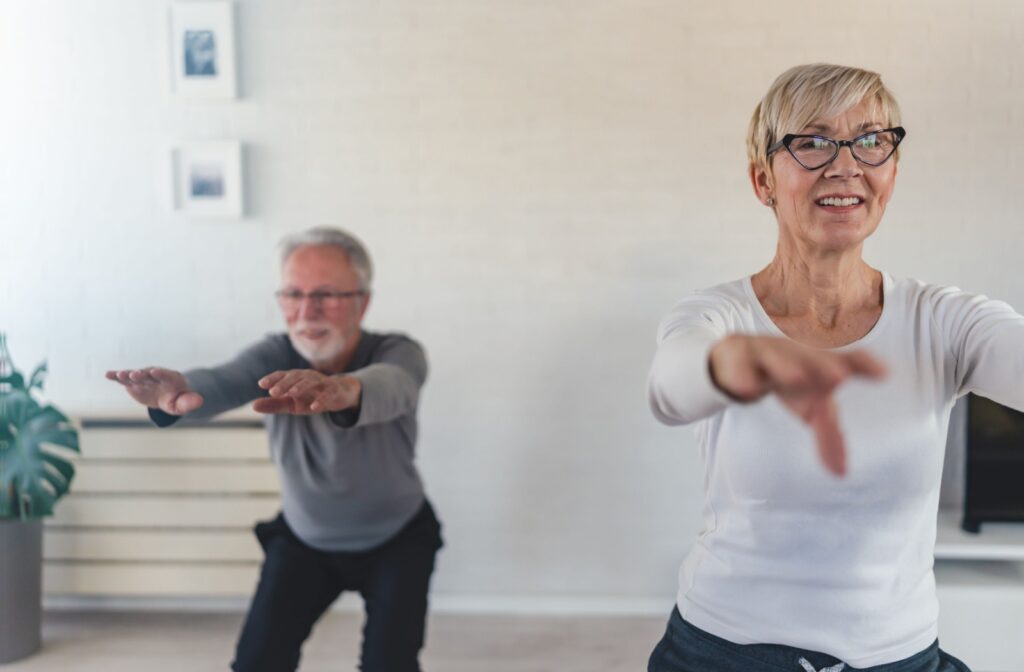
Place your back against a wall and slowly slide down until your knees are slightly bent. Hold this position for 10–15 seconds, then slide back up.
Start with shallow squats and gradually increase the depth as your strength improves. Squats can work multiple muscle groups while supporting your back.
- Heel & Calf Raises
Stand behind a chair and hold onto the back for support. Slowly rise up onto your toes, hold for a few seconds, then lower back down.
This movement strengthens your calf muscles, which help support your knees during walking. Perform 15–20 repetitions at a comfortable pace.
Low-Impact Movements That Lubricate Your Knees
- Gentle Knee Circles
Sit in a chair and lift one leg slightly off the ground. Make small, gentle circles with your knee, moving clockwise and counterclockwise.
These movements help distribute a lubricating fluid throughout your knee joint, reducing stiffness. Perform 10 circles in each direction for both knees.
- Ankle Pumps & Rotations
While seated, lift your feet slightly and flex and point your toes repeatedly. The pumping motion improves circulation and reduces swelling in your lower legs.
Add ankle rotations by making circles with your feet. These movements support overall leg health and complement your knee strengthening routine.
- Walking in Place
Stand in one spot and gently march in place, lifting your knees only as high as feels comfortable. Start with 30 seconds and gradually increase the duration.
This low-impact activity warms up your knee joints and surrounding muscles. You can do this while listening to music or watching your favorite show.
- Swimming Pool Exercises
Water provides natural resistance while reducing impact on your joints, whether you’re simply walking or practicing gentle leg movements to strengthen your knees.
The buoyancy of water supports your body weight, making movement easier and more comfortable. Many retirement communities offer pool access for water-based exercise programs.
Common Exercise Mistakes That Can Harm Your Knees
Avoid Overextending During Stretches
Pushing your knees beyond their comfortable range of motion can cause injury rather than improvement. Listen to your body and stop when you feel resistance or discomfort.
Gentle, consistent stretching supports meaningful results rather than risking setbacks by forcing movements. Your flexibility will improve gradually with regular, mindful practice.
Don’t Ignore Pain Signals
Sharp or increasing pain during exercise indicates you should stop and rest. Mild muscle fatigue is normal, but joint pain requires attention and professional guidance.
Keep a simple exercise log to track how your knees feel before and after activity, helping you identify which movements work for your body.
Don’t Skip Warm-Up Activities
Starting exercises with cold muscles increases your risk of strain or injury. Spend 5–10 minutes doing gentle movements before beginning your strengthening routine.
Supporting Your Knee Health Through Nutrition & Lifestyle
Important Vitamins for Joint Health
Calcium and vitamin D both support bone health, while vitamin C helps maintain cartilage. Many seniors benefit from foods rich in omega-3 fatty acids, which may help reduce inflammation.
Talk with your healthcare provider about your nutritional needs. They can help you create a healthy eating plan that supports your overall health and knee function.
Maintaining a Healthy Weight
Extra weight puts additional pressure on your knee joints during daily activities. Even small weight reductions can significantly decrease the stress on your knees.
Focus on gentle, sustainable lifestyle changes rather than dramatic alterations. Regular movement combined with balanced nutrition helps create lasting results.
Creating Safe Exercise Spaces
Remove loose rugs, install good lighting, and keep exercise areas safe and clear of obstacles. Having a sturdy chair nearby provides support when needed. Consider nonslip mats for floor exercises and comfortable, supportive shoes for walking activities.
When to Seek Help & Professional Support
Warning Signs to Watch For
Contact your healthcare provider if you experience persistent swelling, significant pain, or sudden changes in knee function. These symptoms may indicate conditions requiring professional attention.
Don’t ignore instability or frequent stumbling, as these can lead to falls and further injury. Early intervention often provides the most effective treatment options.
Benefits of Community Wellness Programs
Group exercise classes provide motivation, social connection, and professional guidance for your fitness routine.
Instructors trained in senior fitness understand how to modify exercises for different ability levels. You’ll find encouragement and camaraderie as you work toward your health goals.
How Retirement Communities Support Active Living
Modern retirement communities offer fitness rooms, walking paths, and organized activities that support knee health and overall wellness.
Staff and trainers can develop safe, low-impact, and effective exercise routines. Senior living provides easy access to physical therapists and nurses to help manage joint health and maintain independence throughout your retirement years.
Explore a Community That Supports Your Wellness
At Villages of Murfreesboro, we understand that staying active contributes significantly to your quality of life and independence.
We’ve designed our fitness room, beautiful walking spaces, and wellness programs to support your health goals in a safe, encouraging environment.
Contact us today to schedule a tour and discover how our community can support your active lifestyle and provide the personalized care you deserve.