
Key Takeaways
- Interactive games in memory care can support cognitive engagement, emotional wellness, and social connection.
- Familiar activities like card games, puzzles, and matching exercises help encourage focus and memory recall.
- Music and singing activities may help spark recognition, conversation, and participation for seniors with memory loss.
- Movement-based and sensory activities combine physical engagement with calming mental stimulation.
- Technology-based games designed for older adults can provide accessible cognitive activities and familiar experiences.
- Memory care communities use structured routines and personalized programming to help residents stay comfortable and engaged.
Why Interactive Games Matter in Memory Care
Watching a loved one experience memory loss can make it difficult to know how to keep them engaged and connected throughout the day. Many families look for activities that feel meaningful, familiar, and comfortable while still encouraging participation. Interactive games can help create those moments by giving older adults opportunities to socialize, stay mentally active, and enjoy daily routines in a low-pressure environment.
In memory care, activities are about much more than passing the time. Structured games and group experiences can help support cognitive wellness while encouraging emotional connection and social interaction. Familiar activities often help residents feel more comfortable participating, especially when programs are adapted to their personal interests and cognitive abilities.
How Interactive Games Support Cognitive Health
Just like physical exercise helps strengthen muscles over time, regular mental engagement can help keep the brain active. Activities like matching games, simple puzzles, music participation, and card games encourage focus, recall, and pattern recognition in ways that feel approachable rather than overwhelming. Repetition and routine also help residents stay familiar with activities, which can make participation feel more comfortable and rewarding.
Interactive activities also support emotional and social wellness alongside cognitive engagement. Group games create opportunities for conversation, laughter, and connection, which can help reduce feelings of isolation. Daily routines centered around familiar activities can also help residents feel calmer and more confident as they move through the day.
Popular Memory-Stimulating Games and Activities for Seniors
Memory care programming often includes a variety of activities designed to encourage participation without causing frustration or overstimulation. The most effective programs combine familiar routines, social interaction, and simple mental engagement in ways that can be adapted to different ability levels.
Card Games and Matching Activities
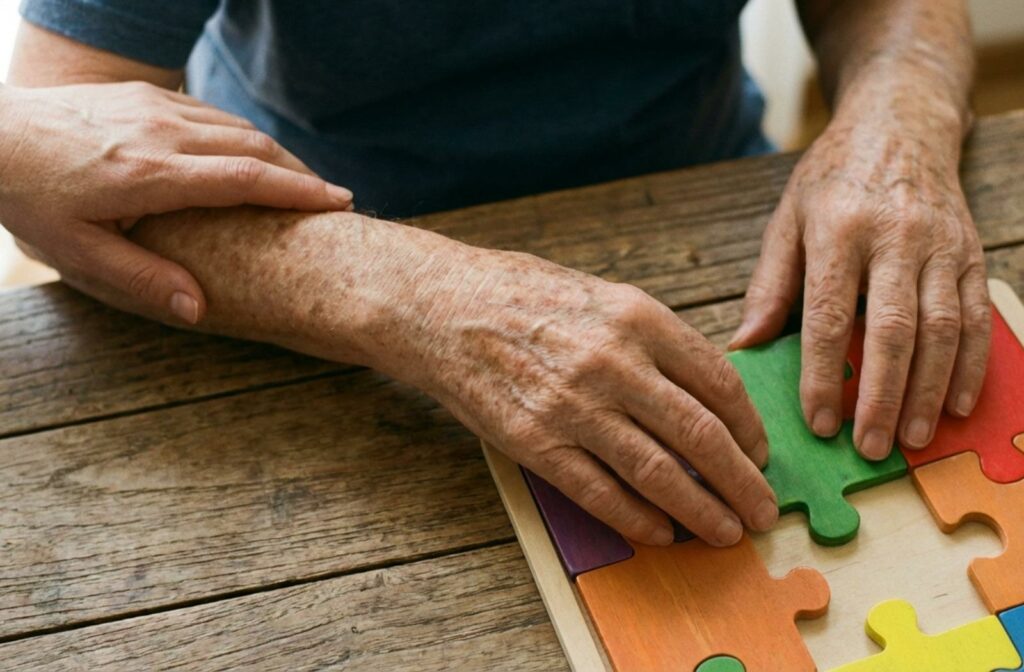
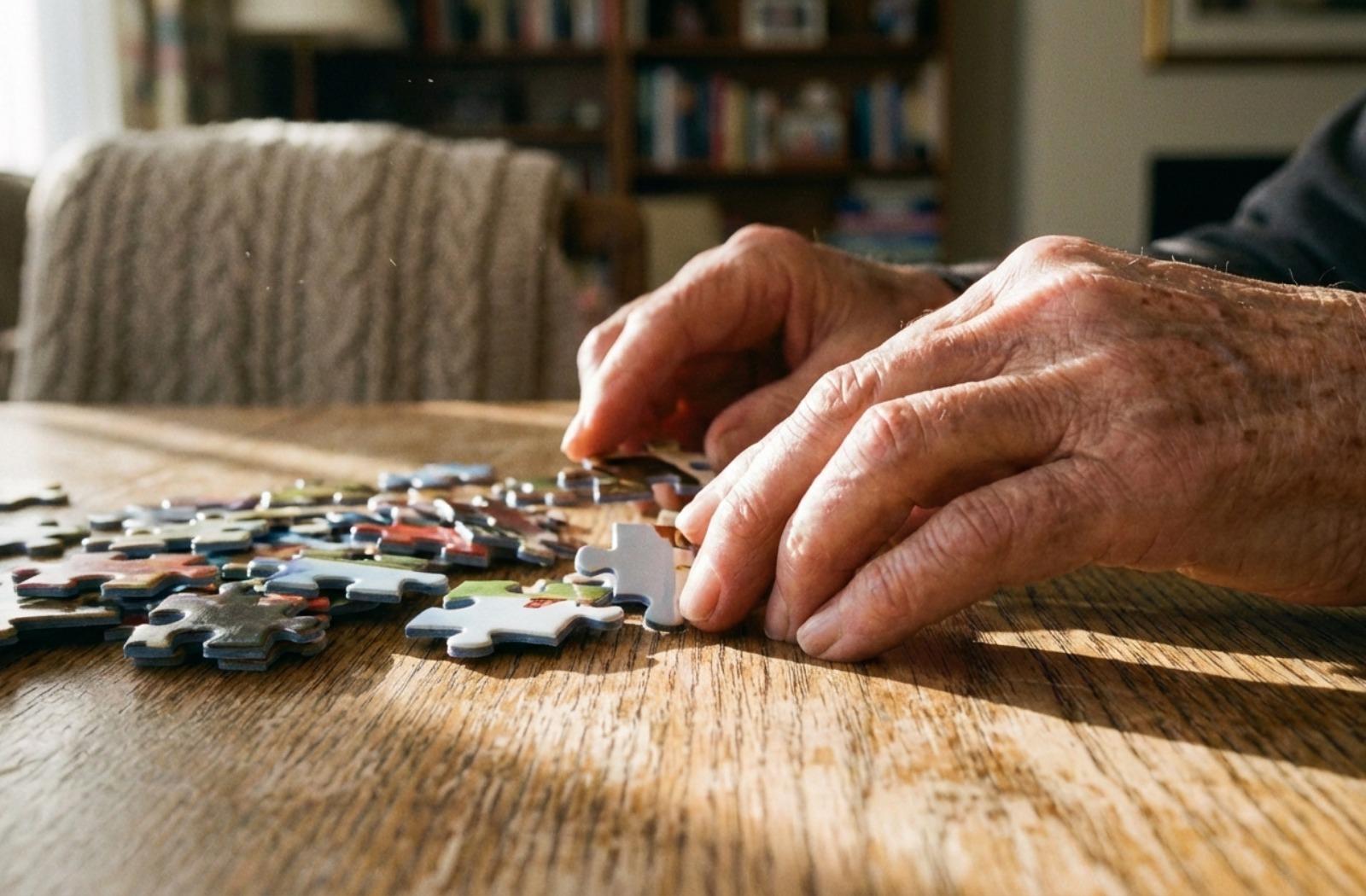
Simple card games and matching activities can encourage memory recall, focus, and pattern recognition. Large-print cards, picture matching games, and modified versions of familiar classics are often easier for residents to participate in comfortably. These activities also create opportunities for social interaction while helping residents stay mentally engaged.
Music and Singing Activities
Music can create strong emotional connections and often encourages participation even for residents experiencing advanced memory loss. Singing familiar songs, listening to favorite artists, or participating in rhythm-based activities may help spark recognition and conversation. Music activities also create a calming, welcoming environment that encourages social engagement.
Movement-Based Activities
Light movement activities combine physical engagement with mental stimulation in a safe, approachable way. Chair exercises, guided stretching, and simple group games encourage participation while supporting circulation and coordination. These activities also help residents remain active without creating unnecessary physical strain.
Sensory and Hands-On Activities
Sensory activities can provide calming stimulation while encouraging focus and participation. Sorting games, tactile objects, crafts, and hands-on projects help residents stay engaged through touch, color, and texture. Familiar sensory experiences can also help residents feel more grounded and comfortable during activities.
Technology-Based Interactive Games
Many memory care communities now incorporate technology designed specifically for older adults. Touch-screen games, digital puzzles, and interactive memory tools often use large visuals and simple instructions to make participation easier. Technology-based activities can also help residents explore familiar photos, music, and experiences in an engaging format.
The Benefits of Life in Memory Care
Memory care communities are designed to support people living with Alzheimer’s disease, dementia, and other forms of memory loss in a safe, structured environment. In addition to personalized support with daily routines, memory care often includes specialized programming focused on cognitive engagement, social connection, and emotional wellness. Everything is designed to help residents feel comfortable, supported, and involved throughout the day.
Memory care offers:
- Structured daily routines that promote familiarity and consistency
- Regular social interaction and group engagement
- Personalized cognitive activities based on individual interests
- Reduced stress and overstimulation in a supportive setting
- Comfortable, secure surroundings designed for memory support
- Assistance with daily tasks while encouraging independence
- Opportunities for physical movement and gentle exercise
Meaningful engagement can help residents stay active and connected while reducing feelings of confusion or isolation. That’s why memory care communities like ours adapt programming to different comfort levels, so everybody can participate on their own terms.
Find the Right Memory Care Community Today
Interactive activities can play an important role in helping older adults remain socially connected, mentally engaged, and involved in daily life. From music and movement to matching games and sensory experiences, thoughtful programming helps create meaningful opportunities for participation and connection. When these activities are paired with compassionate support and consistent routines, residents can feel more comfortable and engaged throughout the day.
At The Villages of Murfreesboro, we create supportive memory care experiences designed around each resident’s individual needs, interests, and abilities. Our team focuses on meaningful engagement, compassionate support, and personalized programming that helps residents stay active and connected in a welcoming environment. Book a tour with The Villages of Murfreesboro today to learn more about our memory care lifestyle.